

Last Updated: October 28, 2026
Quick Summary
Hiking shirt prints crack mostly from heat, friction, and harsh cleaning, which break down the bond between the ink and the fabric. Hiking shirts stretch and sweat more than cotton tees, so their prints also face strap abrasion and sun exposure. Cold, gentle washing and air-drying slow the damage.
- Hot water and hot dryer cycles soften and stiffen the ink, making it crack when fabric stretches.
- Turn shirts inside out and wash on a gentle cycle to reduce friction on the print.
- Use a mild, color-safe detergent and skip bleach, since harsh chemicals weaken the ink.
- Wash shirts promptly after heavy sweat, because body oils can soften the ink-fabric bond.
- Air-dry or use the lowest dryer setting, since heat is harder on synthetic prints.
Table of Contents
- What Causes Hiking Shirt Prints to Crack
- Why Hiking Shirts Are Harder on Prints Than Cotton Tees
- How to Wash Screen-Printed Shirts So the Print Lasts
- Why Do T-Shirt Prints Crack After Washing? Print Method Matters
- Screen Printing vs Heat Transfer Durability on Outdoor Shirts
- How to Fix a Cracked Print on a Shirt and Stop It Spreading
- Keeping Your Next Hiking Shirt Print Intact
- Frequently Asked Questions
What Causes Hiking Shirt Prints to Crack
Hiking shirt prints crack mostly because of heat, friction, and harsh cleaning. Each one breaks down the ink's bond with the fabric over time. Once the bond weakens, the print stretches, flakes, and splits along the lines of your movement.
The good news is that some cracking is preventable with simple changes to how you wash and dry your shirts.
Heat From High Wash and Dryer Temperatures
Heat is the biggest enemy of a printed design. Hot water softens the ink, and a hot dryer cycle cooks it. Repeated heat exposure makes the print stiff, and stiff ink cracks when the fabric stretches.
Check the care label before every wash. Many printed tees list a maximum wash temperature, and that number is your guide. Cold water works well for most hiking shirts. A low-heat or air-dry setting protects the print even more.
Watch out: A single hot dryer cycle can do more damage than several cold washes. Skipping the dryer is the safest choice for a printed design.
Friction and Abrasion During Washing
Friction wears down the ink surface, especially when shirts rub against zippers, buttons, or each other in the drum. A heavy load with rough items like jeans causes the most abrasion.
Wash printed shirts separately or with similar soft fabrics. Turn them inside out first so the design faces the inside of the drum. A gentle or delicate cycle reduces agitation, which keeps the print smoother over time.
Harsh Detergents and Bleach
Strong detergents and bleach can break down ink chemistry. Bleach is especially harsh, and it can fade colors and weaken the print surface quickly.
Choose a mild, color-safe detergent and skip bleach on printed shirts. Use the smallest effective amount, since extra detergent can leave residue that stiffens the design.
Why Hiking Shirts Are Harder on Prints Than Cotton Tees
A cotton tee is a relatively stable canvas. A hiking shirt is a moving, sweating, sun-exposed system, and the print has to survive all of it. That is why the same design that lasts years on a cotton tee can crack in a season on a technical shirt.
The fabric flexes differently
Moisture-wicking hiking shirts are usually knit or woven from polyester, nylon, or blends, often with spandex for stretch. These fabrics elongate and recover with every stride, pack adjustment, and reach. Ink is far less elastic than the fabric under it. When the shirt stretches, the ink either flexes with it or cracks along the lines of least resistance. A thick plastisol print has less give than a thin water-based or discharge print, so it tends to fail first at high-flex zones: across the shoulder blades, down the spine where a pack sits, and around the chest.
Sweat and body oils attack the ink-fabric bond
Sweat is not just water. It carries salts, urea, and lipids, and it sits against the inside of the shirt for hours. On the print side, body oils can migrate through the fabric and soften the adhesive layer that holds a heat-transfer film or the cured ink interface on a screen print. Over time that softening lets edges lift. The fix is not to wash less, but to wash promptly and gently after heavy sweat, rather than letting a shirt sit in a pack or hamper for days.
Backpack straps are a wear machine
Shoulder straps, hip-belt wings, and sternum straps rub the same few square inches of fabric thousands of times per hike. That is abrasive wear, not just friction in the wash. A print placed under a strap will abrade faster than one on an open panel. If you have a choice, pick designs positioned away from strap contact zones, or wear a thin base layer between the pack and the printed shirt on long days.
Sun and trail dust add stress
UV exposure degrades many inks and the synthetic fibers under them, and dust and fine grit work into the fabric and act like mild abrasive during washing. Rinse or shake out trail dust before laundering so grit does not grind against the print in the drum.
What this means for care
The practical adjustments are small but matter more on technical fabric than on cotton:
- Wash after each heavy-sweat hike rather than letting shirts sit.
- Use cold water and a gentle cycle to limit flexing and abrasion.
- Skip fabric softener and dryer sheets, which can leave a coating that affects moisture management and print surface.
- Air-dry, or use the lowest dryer setting, because heat is harder on synthetic prints than on cotton prints.
- Follow the garment care label first; it is written for that specific fabric and print combination.
How to Wash Screen-Printed Shirts So the Print Lasts
Here is a simple routine that protects most screen-printed hiking shirts:
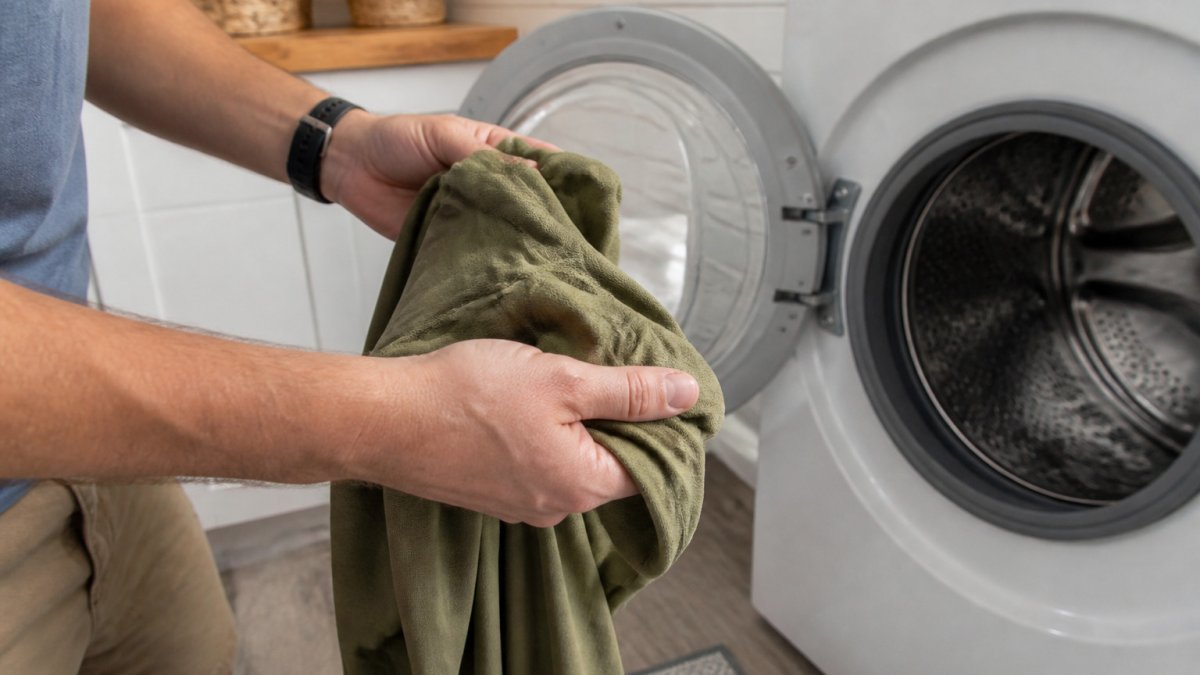
- Turn the shirt inside out before washing
- Wash in cold water on a gentle or delicate cycle
- Use a mild, color-safe detergent with no bleach
- Wash with similar soft items, not heavy or rough fabrics
- Air-dry flat or hang the shirt in shade
Following these steps every time keeps heat and friction low. It is the most effective way to extend the life of your print. You can see a screen-printed hiking tee built for crack-resistant prints as an example.
Following these care steps every time keeps heat and friction low, which protects the print:
| Step | What to do | Time or frequency |
|---|---|---|
| Prepare | Turn the shirt inside out before washing | Every wash |
| Wash | Use cold water on a gentle or delicate cycle | Every wash |
| Detergent | Use a mild, color-safe detergent with no bleach | Every wash |
| Load | Wash with similar soft items, not heavy or rough fabrics | Every wash |
| Dry | Air-dry flat or hang in shade | Every wash |
Why Do T-Shirt Prints Crack After Washing? Print Method Matters
Cracking after washing often comes down to how the print was made. Screen-printed designs use plastisol or water-based ink that cures into the fabric under heat. If the curing temperature or ink thickness was off, the print may be more brittle from the start.
A thick, stiff print is more likely to crack than a thin, flexible one. This is why two shirts that look identical can perform very differently after a few washes.
Screen Printing vs Heat Transfer Durability on Outdoor Shirts
Screen printing usually bonds ink directly into the fabric, which tends to hold up well on outdoor shirts when the ink is cured properly. Heat transfer prints sit on top of the fabric as a film, and that film can peel or crack more easily when the shirt stretches.
For hiking shirts that get stretched, sweated in, and washed often, a well-cured screen print is generally the more durable choice. Ask the seller how the design was applied if durability is your main concern. For more on outdoor wear for women, see our modest outdoor apparel trail guide.
How to Fix a Cracked Print on a Shirt and Stop It Spreading
Most cracked prints cannot be restored to new, but many can be stabilized so they stop getting worse and stay wearable. The first step is to figure out what kind of failure you are looking at, because the fix and the outlook differ.
Diagnose by crack pattern
- Fine hairline cracks across a large area: usually flex fatigue in a thick or under-cured ink film. The print is brittle and splitting as the fabric moves. Stabilizing care helps; the cracks will not close.
- Edge lifting or peeling at the borders: often a heat-transfer film or a screen print with poor adhesion, sometimes worsened by sweat, oils, or washing in hot water. Once a film lifts, it tends to keep lifting.
- Flaking or powdering: suggests the ink is breaking down, sometimes from harsh detergent, bleach, or prolonged UV exposure. Flaking prints shed and rarely hold a repair.
- Overall fading with no cracks: usually UV or chemical fade rather than mechanical failure. Care changes slow it but cannot bring color back.
What you can realistically do
- Stop the spread with care. Wash cold, inside out, on a gentle cycle, and air-dry. Heat and agitation are what widen existing cracks.
- Press lightly, never directly. If the print has lifted edges, a cloth barrier and low iron heat can sometimes re-tack a heat-transfer film, but direct iron contact will melt or gloss the ink. Test on an inconspicuous spot first.
- Do not pick or pull. Loose flakes and lifted edges invite more peeling if you tug them.
- Retire the shirt from hard use. Once cracks appear, the print has lost elasticity. Keep the shirt for casual wear and reserve intact prints for backpacking and long hikes.
What usually cannot be fixed
Re-flowing cured screen ink, restoring faded pigment, or re-bonding a fully detached film at home is generally not reliable. A professional screen printer can sometimes re-print over a stable but cosmetically worn design, but that is a new print, not a repair, and it only works if the old ink is fully cured and adhered.
Preventing the next one
When you replace the shirt, check how the print was applied and where it sits relative to your pack straps. A well-cured, thin, flexible print placed away from abrasion zones will outlast a thick print under a shoulder strap, regardless of how carefully you wash. Shoppers looking for durable outdoor apparel in plus sizes can find a complete guide here.
Keeping Your Next Hiking Shirt Print Intact
Heat, friction, and harsh chemicals cause most cracking, and you can control all three. Wash cold, turn shirts inside out, skip bleach, and air-dry. These habits protect the print and keep your favorite trail shirt looking good.
When you shop for your next piece, look for a sturdy, well-applied print and clear care instructions.
Frequently Asked Questions
Why is the print on my shirt cracking?
Cracking usually comes from repeated stress on the ink film. High wash or dryer heat softens and stretches the ink, while friction and agitation flex it until it breaks. Print thickness and curing also matter: a thick plastisol layer that was not fully cured tends to crack sooner than a thinner, properly cured print. Turning the shirt inside out, washing cold, and air-drying slow down the damage.
How can I fix cracking on my shirt print?
A cracked print cannot be fully restored, but you can stop it from spreading. Wash the shirt inside out in cold water on a gentle cycle with a mild detergent, and skip the dryer in favor of air-drying flat or on a hanger. Avoid ironing directly on the print. If the crack is small and the print is still mostly intact, these steps usually keep it from getting worse. Large areas of flaking generally mean the print needs to be replaced or the shirt retired from heavy use.
Should you put a printed hiking shirt in the dryer?
Avoid it when you can. Dryer heat is one of the most common causes of print cracking, especially on polyester and blended performance fabrics that are often printed with plastisol ink. If you must use a dryer, choose the lowest heat setting, remove the shirt while it is still slightly damp, and air-dry the rest of the way. Check the garment care label first, since many performance shirts recommend line drying.

0 comments