

Table of Contents
- What Makes Screen Printed Outdoor Shirts Actually Durable
- The Best Fabric for Hiking Shirts: What to Look For
- How to Tell a High-Quality Screen Print From a Cheap One
- Outdoor Shirt Fit and Sizing: Getting It Right the First Time
- Plus-Size Hiking Shirts: What Generous Sizing Really Means
- How to Wash Screen-Printed Shirts So the Design Lasts
- Common Mistakes That Ruin Screen Printed Outdoor Shirts
- Conclusion: Buying Screen Printed Shirts That Last
- Frequently Asked Questions
Last Updated: October 14, 2026
What Makes Screen Printed Outdoor Shirts Actually Durable
Durable screen printed outdoor shirts are garments where the ink has been properly cured into the fabric fibers, not just sitting on top of them. At Tortoise Trail Gifts, we've learned that three factors separate a shirt that survives years of trail use from one that cracks after a handful of washes: fabric weight, ink type, and curing temperature.
Most shoppers judge a print by how it looks on the rack. That's the wrong test. A screen print's real lifespan is decided in the dryer, not the fitting room.
The American Apparel & Footwear Association fiber guide notes that cotton and cotton-blend knits hold plastisol ink best when the fabric is at least 5.5 ounces per square yard. Thinner fabric flexes more, and every flex works the ink loose.
The Best Fabric for Hiking Shirts: What to Look For
The best fabric for hiking shirts balances breathability with enough weight to hold a print and resist abrasion. Ring-spun cotton, cotton-poly blends, and performance polyester each behave differently under a screen print, and the right choice depends on how you'll use the shirt.
Here's how the main options compare:
| Fabric | Print Durability | Breathability | Best For |
|---|---|---|---|
| 100% ring-spun cotton | High | Moderate | Casual trail wear, everyday use |
| Cotton-poly blend | High | Moderate to high | All-day hikes, mixed activity |
| Performance polyester | Moderate | High | Sweat-heavy, technical hikes |
| Tri-blend | Moderate | High | Lightweight casual wear |
Cotton-poly blends tend to hold ink well while managing moisture better than pure cotton. Performance polyester wicks sweat fastest, but plastisol ink doesn't bond to it as tightly, so look for prints labeled as designed for synthetic fabric.
For most hikers, a cotton-poly blend in the 5.5 to 6.5 ounce range hits the sweet spot. It's heavy enough to hold a crisp print and light enough to wear on a warm trail day.
How to Tell a High-Quality Screen Print From a Cheap One
A high-quality screen print feels smooth and slightly raised, with sharp edges and even ink coverage across the whole design. A cheap print feels thick, rubbery, or uneven, and the colors may look faded or blotchy before you've even washed it.
Run through this checklist before you buy:
- Press the print with your thumb: quality ink flexes without cracking
- Check the edges: sharp lines mean a clean screen, fuzzy edges mean a rushed job
- Look for a white underbase on dark shirts: it keeps colors bright
- Smell the shirt: a strong chemical odor can signal an incomplete cure
- Stretch the fabric gently: the ink should move with it, not pull apart
That last point matters more than most buyers realize. Ink that cracks when you stretch the fabric is ink that was never fully cured, and it will fail in the wash.
Outdoor Shirt Fit and Sizing: Getting It Right the First Time
Outdoor shirt fit and sizing comes down to how the garment moves with you, not just the number on the tag. A hiking shirt that's too tight restricts your shoulders on a climb; one that's too loose catches on branches and bunches under a pack.
Measure a shirt you already like and compare it to the brand's size chart. Focus on three numbers: chest width, body length, and sleeve length. Chest width matters most for layering, while body length decides whether the shirt stays tucked under a hip belt.
If you're between sizes, size up for hiking. A little extra room lets air circulate and gives you space for a base layer in cooler weather.
Plus-Size Hiking Shirts: What Generous Sizing Really Means
Plus-size hiking shirts should offer true-to-size chest and waist measurements, not just a stretched version of a smaller pattern. Generous sizing means the cut is graded properly across the body, so the shoulders, chest, and hem all fit without pulling.
A common mistake is assuming an XL is an XL everywhere. Brands grade their patterns differently, and a shirt that fits at one company can run two sizes off at another. Always check the actual measurements, not the letter.
Look for these signs of real generous sizing:
- A size chart listing chest and length in inches, not just S through 3XL
- Reviews that mention fit on a range of body types
- A cut described as relaxed or roomy rather than slim
- Enough length in the body to stay put when you reach overhead
If a brand only lists letters with no measurements, that's a red flag. You deserve numbers, not guesswork.
How to Wash Screen-Printed Shirts So the Design Lasts
Turn the shirt inside out, wash it in cold water on a gentle cycle, and skip the dryer. Heat is what kills screen prints, so cold washing and air drying add years to the design.
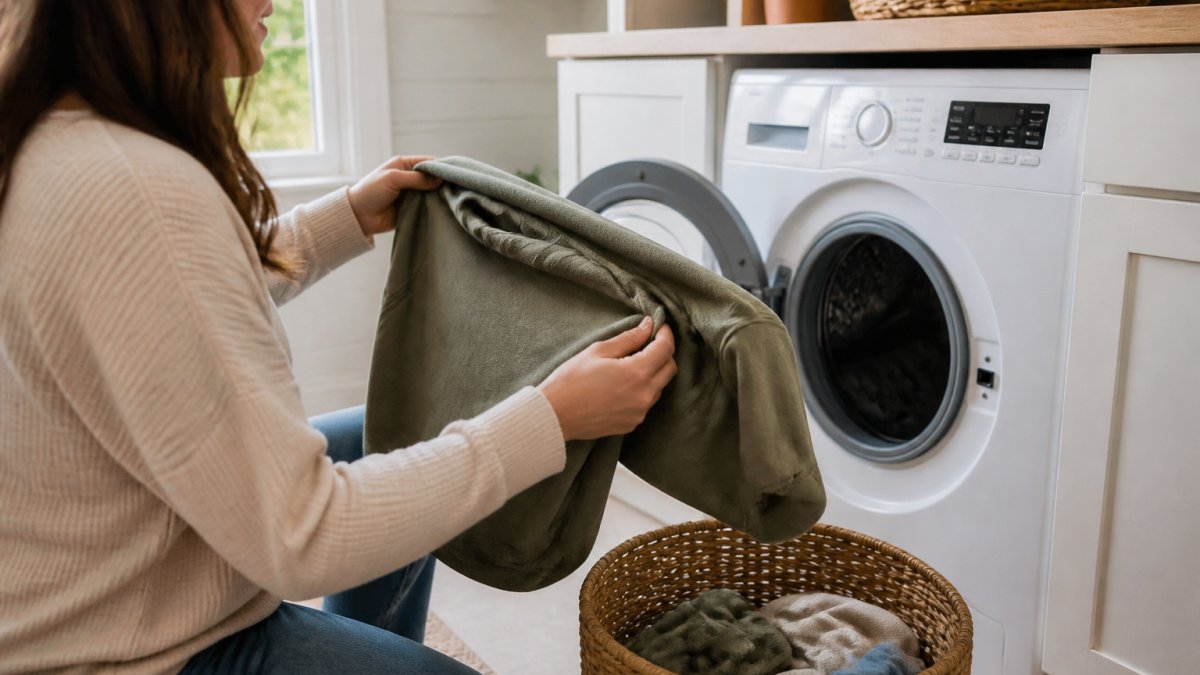
Follow these steps to protect the print:
- Turn the shirt inside out before every wash
- Use cold water and a mild detergent
- Choose a gentle or delicate cycle
- Avoid fabric softener, which coats the ink
- Hang or lay flat to dry
- If you must use a dryer, choose the lowest heat setting
The FTC care labeling rule requires manufacturers to list washing instructions on the garment, so check the tag first. Those instructions are written for the specific fabric and print on that shirt.
Ironing is another trap. If you need to smooth a wrinkle, iron the reverse side only, and never press directly on the print.
Common Mistakes That Ruin Screen Printed Outdoor Shirts
The fastest way to destroy a screen print is to treat it like any other shirt. Hot water, high dryer heat, and harsh detergent break down the ink bond, and the damage shows up as cracking, fading, or peeling.
Watch for these mistakes:
- Washing in hot water, which softens and lifts the ink
- Drying on high heat, the single biggest cause of cracked prints
- Using bleach or fabric softener
- Ironing directly over the design
- Storing a damp shirt in a pile, which traps moisture against the print
A common mistake is buying on design alone and ignoring the fabric weight. A beautiful print on flimsy fabric still fails, because thin fabric flexes more with every wear.
Conclusion: Buying Screen Printed Shirts That Last
Finding durable screen printed outdoor shirts takes a little more attention than grabbing the first design you like. Check the fabric weight, inspect the print quality, confirm the sizing runs true, and commit to cold washing and air drying. Do those four things and your shirt will outlast the trail season.
At Tortoise Trail Gifts, we build our nature-inspired and faith-based apparel for people who want clothing that reflects their values and holds up outdoors. Our collection includes comfortable tees, hoodies, and hats designed for the trail and everyday wear, with free shipping on orders $75 and up. Get started with Tortoise Trail Gifts and find apparel made to last the journey.
Frequently Asked Questions
What fabric is best for durable outdoor shirts?
A cotton-polyester blend gives you the best of both: cotton softness with polyester strength and moisture management. Look for at least 50% polyester in the blend. Ringspun cotton adds smoothness and takes screen prints well. Avoid 100% cotton for hiking because it holds sweat and dries slowly, and avoid thin 100% polyester because it can pill and snag on brush.
Do screen-printed designs last through repeated washing?
Yes, if the print is cured properly and you wash it correctly. A quality plastisol or water-based ink cured at the right temperature bonds into the fabric fibers, not just on top of them. Turn the shirt inside out, wash cold, and skip the dryer. Prints treated this way hold up for years of regular wear, while cheap prints crack within a dozen washes.
How should you wash a screen-printed shirt to protect the design?
Turn the shirt inside out, wash on cold with mild detergent, and avoid fabric softener and bleach. Skip the dryer or use the lowest heat setting. Hang or lay flat to dry. If you must machine dry, remove the shirt while slightly damp. Never iron directly over the print; if needed, iron the reverse side on low.
What should you look for in a plus-size hiking shirt?
Check the actual garment measurements, not just the size label. A true plus-size cut adds room through the chest, waist, and hips without just scaling up the length. Look for side vents, a bit of stretch in the fabric, and flatlock seams that won't chafe under a pack strap. Read reviews from customers in your size range before buying.
0 comments